Novy Bor celebrates second title win after 2013
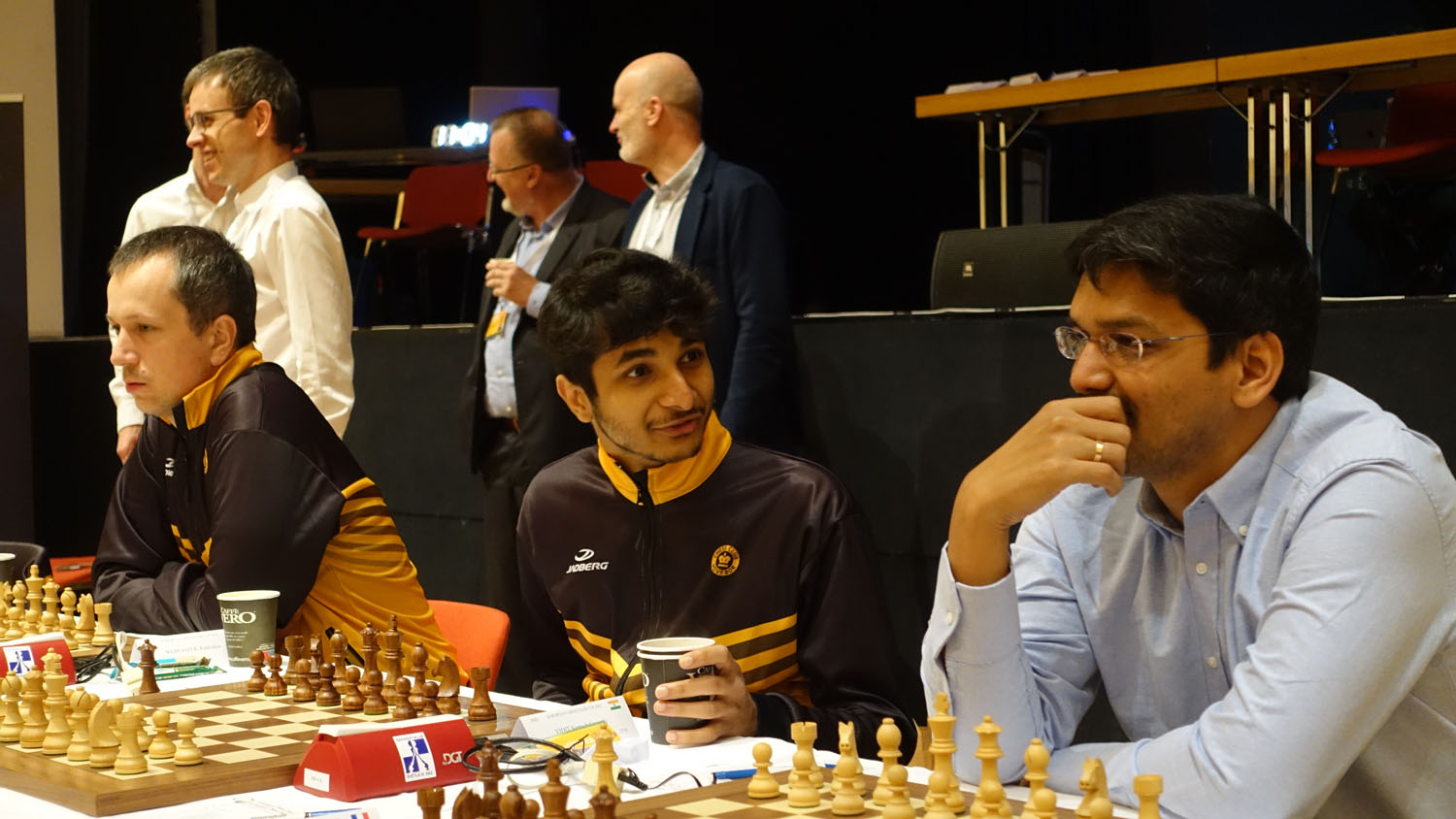 Novy Bor secured the long-awaited title win in the final round of the European Club Cup in Mayrhofen with a 3.5:2.5 against Asnieres Le Grand Echiquier. It is the second championship for the Czech team after 2013.
In today’s match Pentala Harikrishna lays the foundation for success with a white win against Maxime Vachier-Lagrave.
Read more
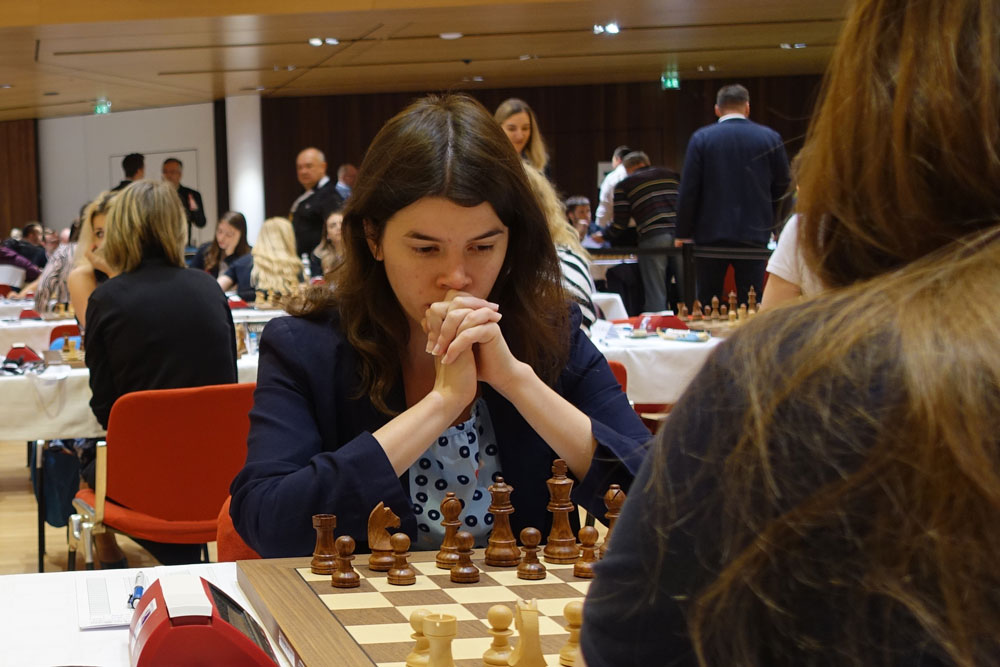 The first finished match in the European Women’s Club Cup decides the title in favor of ASVÖ Pamhagen in Austria today’s Presidents election Sunday. The team from the Burgenland gets a 2:2 against the Polish team BGK KS Gwiazda Bydgoszcz and is uncatchable with 12 of 14 possible points. On the neighboring boards, Cercle d’Echecs de Monte-Carlo and CSU ASE Superbet are “only” fighting for silver and bronze.
 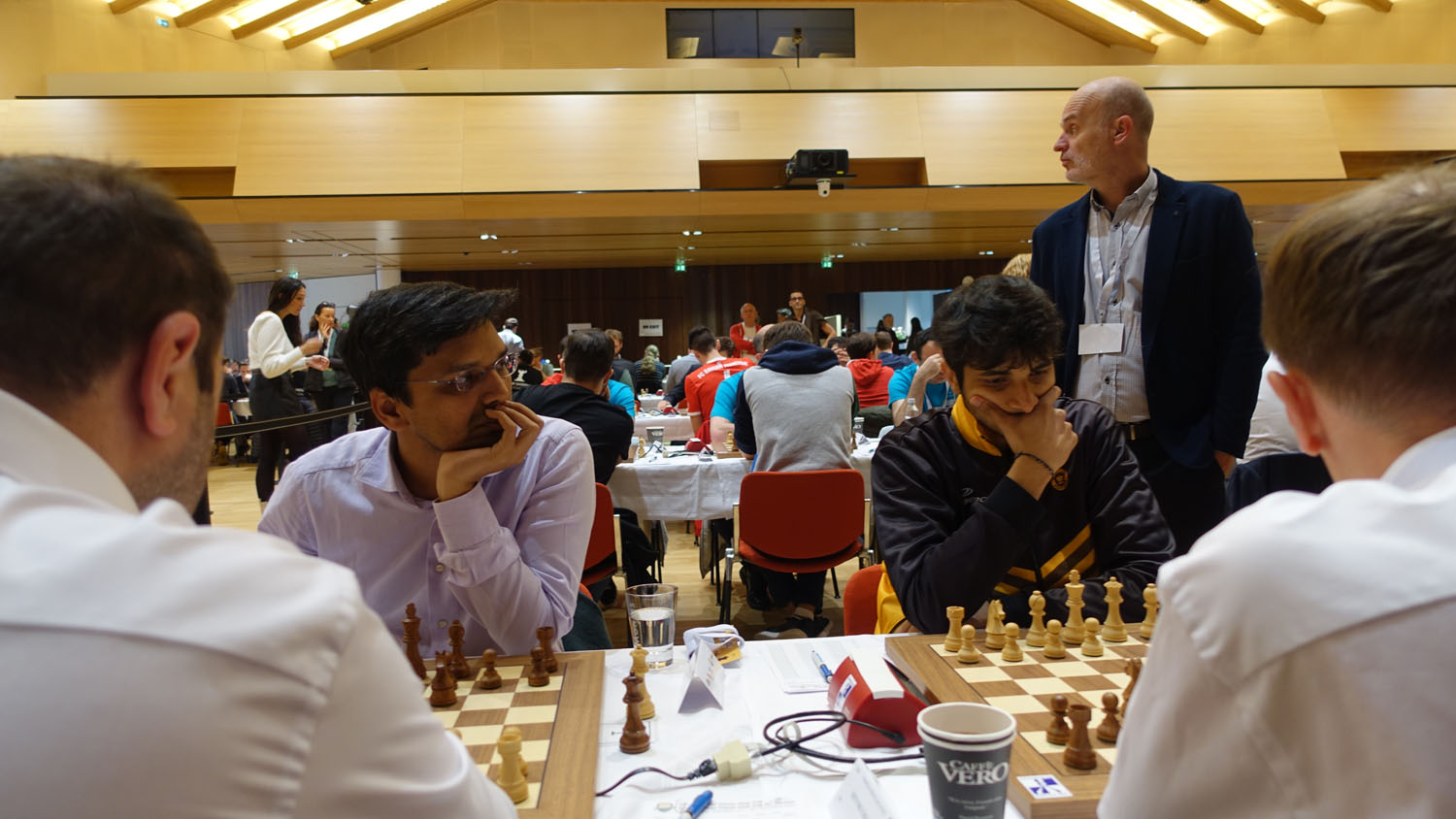 World Chess Champion Magnus Carlsen has continued his winning streak at the European Chess Club Cup in Mayrhofen: The Norwegian celebrated a favorite victory against the German Marco Baldauf. Carlsen’s team Offerspill won clearly against the Tyrolean club ‘Schach ohne Grenzen’ with 4.5:1.5. It is now the fourth win in a row for Magnus Carlsen, after he had only drawn at the start.
 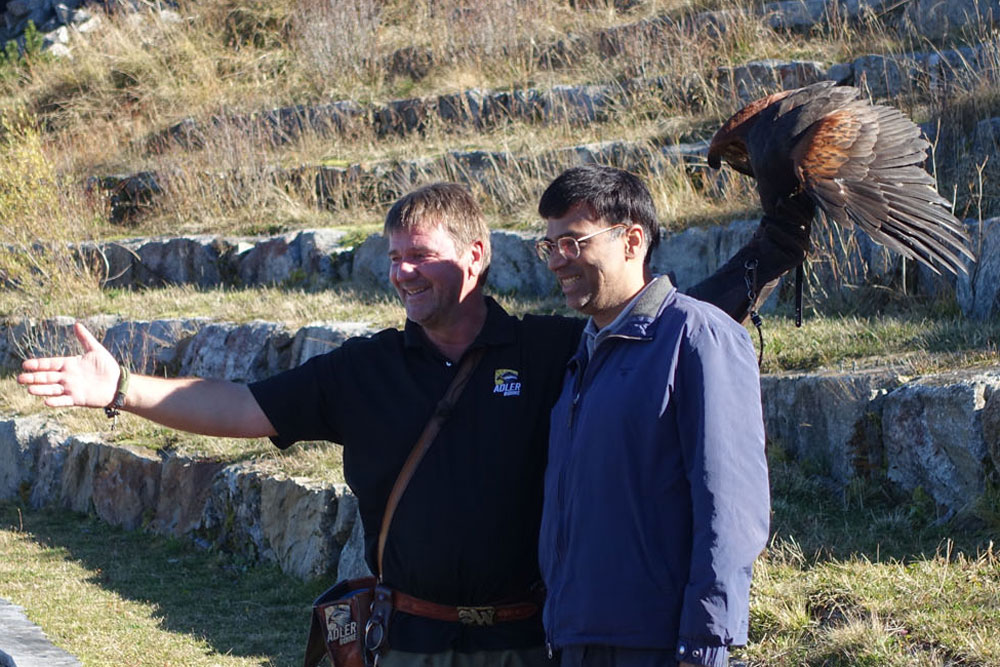 Day 5 of the European Chess Club Cup in Mayrhofen gave World Champion Magnus Carlsen his third win in his fourth game.
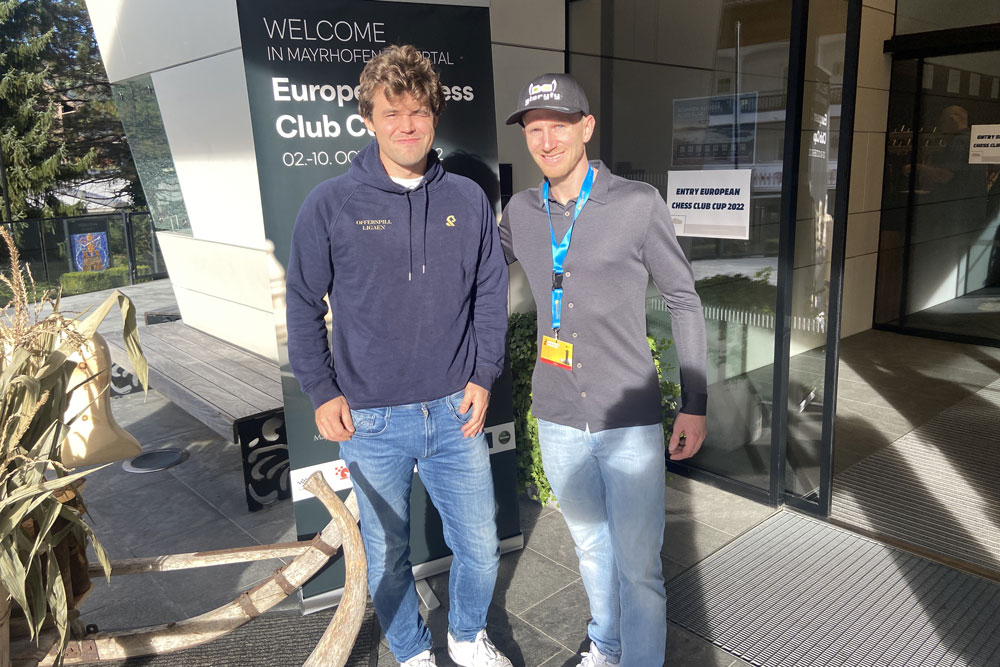 A meeting of world champions took place on Tuesday at the Chess Champions League in the Zillertal. Climbing World Champion Jakob Schubert is a huge chess fan and dropped by the European Chess Club Cup in Mayrhofen.
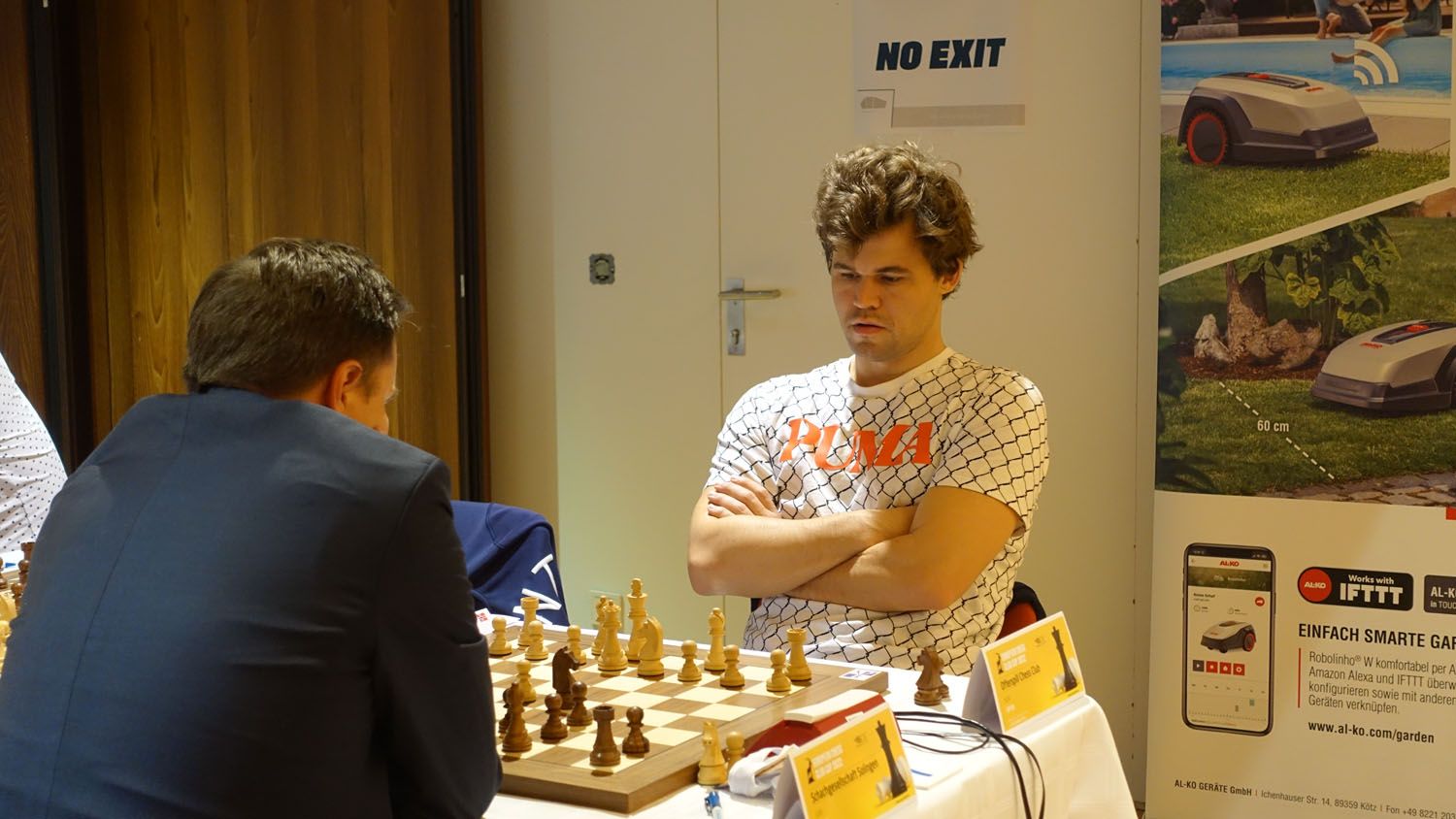 Day 2 at the European Chess Club Cup: World Champion Magnus Carlsen was at the start for his Norwegian club Offerspill this time with the white pieces.
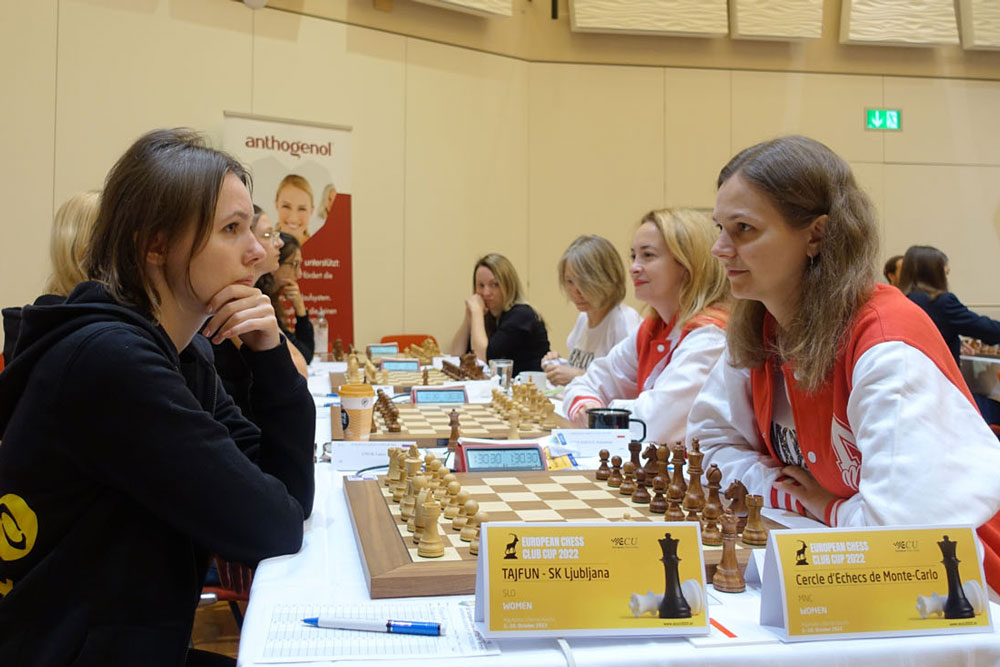 The ECCC-2022 in the Zillertal has begun. All the stars have turned up at the boards, first and foremost Magnus Carlsen, who is always the focus of media attention. The “playing” FIDE leadership also attracts a lot of attention, with former World Champion and FIDE Vice-President Vishy Anand on the top board of the favourite CSU ASE Superbet and FIDE Managing Director Dana Reizniece-Ozala, she plays in the open section for the Swedish club Wasa SK.
 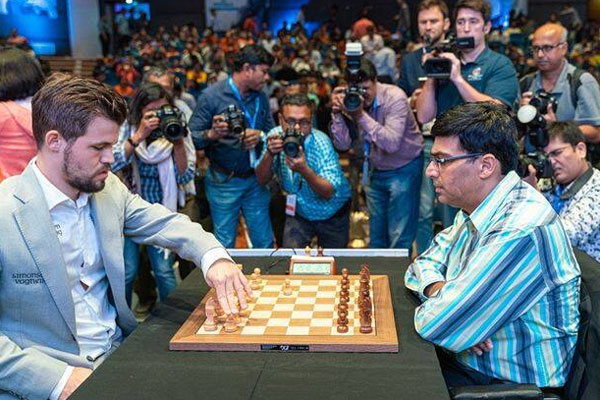 Mayrhofen – Maryhofen will experience a parade of world chess champions in a fortnight: The current World Champion Magnus Carlsen and former World Champion Viswanathan Anand will be competing in the ‘Champions League on the Chess Boards’. With Marija Muzychuk and Anna Ushenina, two former world champions are also expected in the Zillertal.
  Fiona Steil-Antoni will promote the ECCC-2022 as a social media expert.
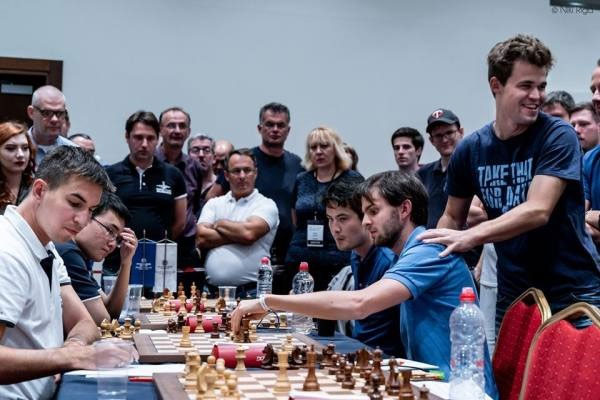 A total of 58 teams with 410 players from 42 nations have registered for the European Chess Club Cup in Mayrhofen in the open section and 12 teams with 54 players from 18 nations in the women’s section.